DISEASES AND SYMPTOMS
HOME
WORKOUTS
FOOD
DISEASES AND SYMPTOMS
 DISEASE TYPES
Bacterial
TUBERCULOSIS
Causative agent- Mycobacterium tuberculosis.
Symptoms-
- Fever
- General weakness
- Loss of appetite, persistent coughing
- Yellowish blood stained sputum
Prevention:
- Isolation of TB patients
- Health education
- Vaccination by BCG
Treatment:
- Streptomysin
- para-amino salicylic acid
- rifampicin
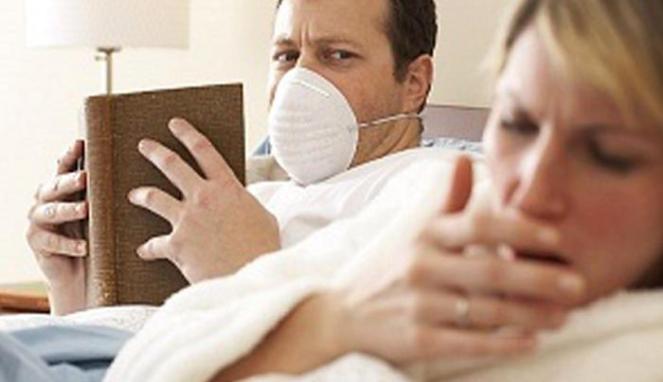
TYPHOID
Causative agent- Salmonella typhi.
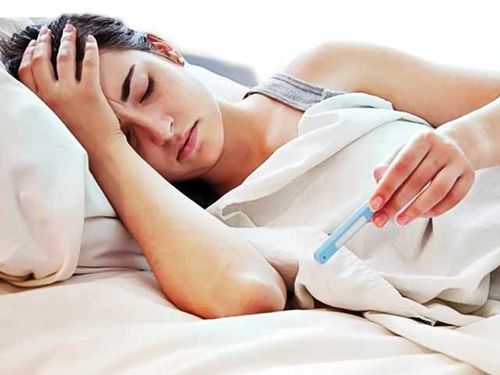
Symptoms-
- Lesions and damage to the intestinal wall.
- Continued fever.
- Abdominal tenderness
- Headache, and slight vomitting
Prevention:
- proper community sanitation
- Personal cleanliness
- Protection of food and water dust and flies
Treatment:
- Ampicillin and chloromycetin
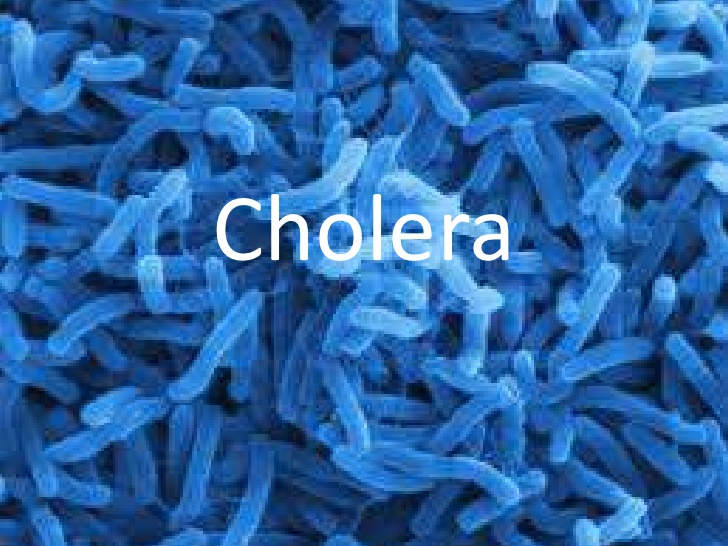
CHOLERA
Causative agent- Vibrio comma or Vibrio cholerae
Symptoms-
- Acute diarrhoea
- Vomitting
- Muscular cramps
- Stool is white and watery(rice water appearance)
Prevention:
- Proper heating of food
- Boiling of drinking water
- Proper disposal of wastes
- Prevent contamination of food by flies
Treatment:
- Replace fluids and electrolytes
- Tetracycline or other antibiotics
TETANUS
Causative agent- Clostridium tetani
Symptoms-
- Painful muscle contractions of neck and jaws.
- Increased rigidity of jaws-lock jaw
- Painful arching leading to death
Prevention:
- Active immunization incase of cut/injury
- Antitoxin serum- Human tetanus immunoglobulin (HTIG)
- The cut surface should be kept properly covered and
bandagedto avoid contamination.
Treatment:
- Human tetanus immunoglobulin neutralizes
the toxin Vaccine -DPT
bandagedto avoid contamination.
the toxin Vaccine -DPT

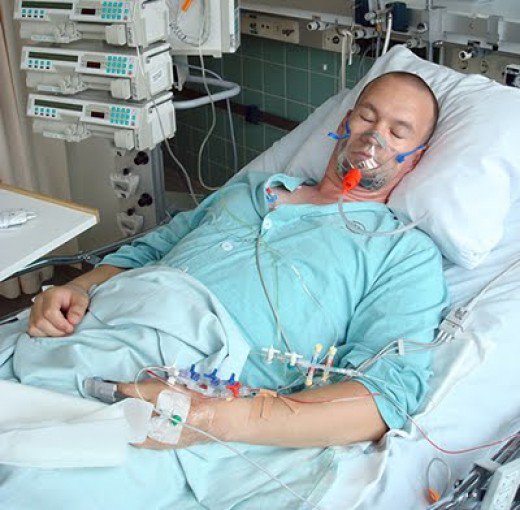
PNEUMONIA
Causative agent- Streptococcus pneumonia
Pneumonia is caused by the inhalation of infected
microorganisms (tiny, single-celled living organisms, such as
bacteria, viruses, fungi or protozoa) spread
through contact with an
infected person.
The microorganisms enter the body through
the mouth, nose and eyes.
Bacterial pnemonia:-
Pneumonia-causing bacteria is present in many throats, but when
thebody's defenses are weakened (for example, by illness, old age,
malnutrition or impaired immunity) the bacteria can multiply,
working
its way into the lungs, inflaming the air sacs
and filling the lungs
with liquid and pus.
With bacterial pneumonia, the person may experience:
- shaking
- chills
- chattering teeth
- severe chest pain
- cough that produces rust-colored or greenish mucus
- very high fever
- sweating
- rapid breathing
- rapid pulse rate
Half of all pneumonias are believed to be caused by
viruses, such as
influenza (flu), adenovirus, coxsackievirus,
chickenpox, measles,
cytomegalovirus and respiratory syncytial
virus. These viruses invade
the lungs and multiply.
With viral pneumonia, the person may experience:
- fever
- dry cough
- headache
- muscle pain and weakness
Treatment:-
Bacterial pneumonia (caused by the streptococcus
pneumonia bacteria)
is often treated with penicillin, ampicillin-
Viral pneumonia does not respond to antibiotic treatment.
This type of
pneumonia usually resolves over time. If the
lungs become infected
with a secondary bacterial infection, the
doctor will prescribe an
appropriate antibiotic to eliminate
the bacterial infection.
Prevention:-
1.Practice good hygiene. Get a pneumonococcal vaccine.
2.Get a pneumonococcal vaccine.
3.Practice good preventive measures by eating a proper
diet, getting regular exercise and plenty of sleep.
4.Do not smoke.