DISEASES AND SYMPTOMS
HOME
WORKOUTS
FOOD
DISEASES AND SYMPTOMS
 DISEASE TYPES
Human genetic disorders
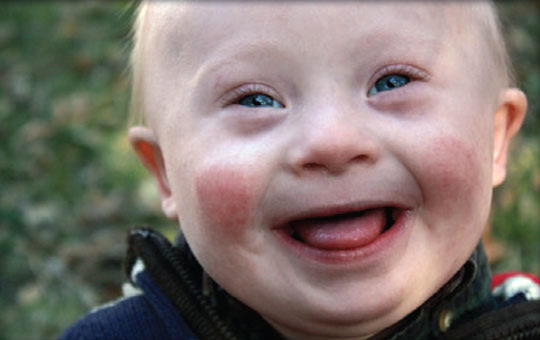
DOWN'S SYNDROME (Mongolian idiocy)
- Disorder associated with extra 21 chromosome.
- Due to non-disjunction of chromosome 21 during egg formation
- Individuals have 47 chromosome (45 XX or 45 XY).
Characteristics:
- Prominent forehead with round face and flattened nasal bridge.
- Mongolian type of eye and gap between first and second toes.
-
- Mentally retarded with malformed heart, children normally die before maturity.
- Edward's syndrome- extra 18 chromosome.
- Patau's syndrome- extra 13 chromosome.
KLINEFELTER'S SYNDROME
Disorder due to XXY genotype.
Characteristics:
- Is a sterile male with underdeveloped testes.
- Unusually long legs
- Obesity
- Mental retardation and shows female character.

TURNER'S SYNDROME
- XO genotype
- Fusion of abnormal 0 egg with a normal X sperm.
- Individuals have 45 chromosome.
- Individual is sterile female
Characteristics:
- Short stature
- Underdeveloped breasts
- Reduced ovaries, small uterus
- Webbed neck
- Subnormal intelligence.
HAEMOPHILIA
- Also called bleeders disease.
- Mostly restricted to males only
- Even a small injury results in bleeding leading to death.
- It is an X linked recessive disorder and is expressed in male.

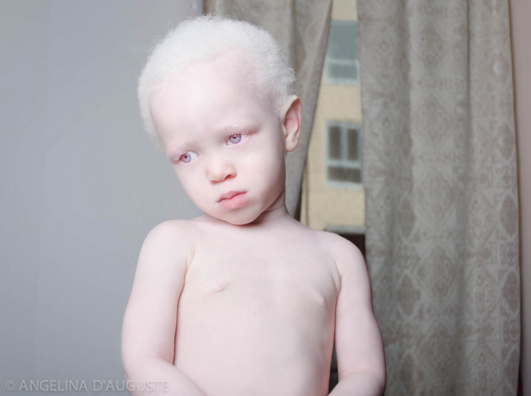
ALBINISM
- Albinism is a defect of melanin production.
- This defect results in the partial or full absence of pigment(color)
from the skin, hair, and eyes.
Characteristics:
- Absence of pigment from the hair, skin, or iris of eyes
- Patchy absence of pigment (skin color, patchy)
- Lighter than normal skin and hair
from the skin, hair, and eyes.
AMNIOCENTESIS
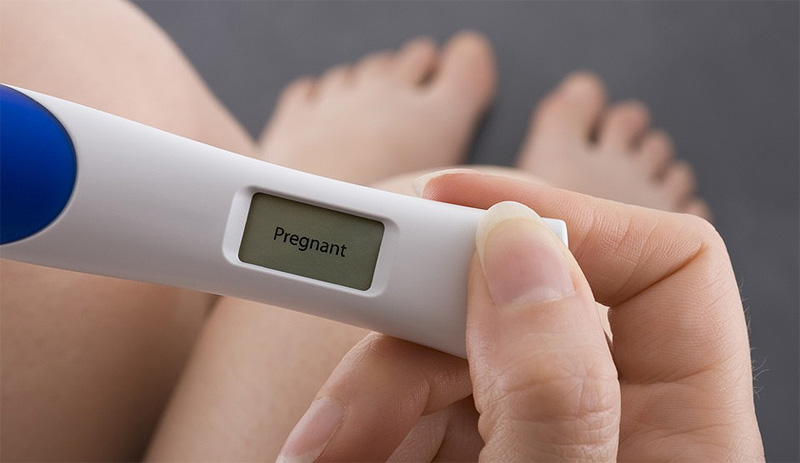
Amniocentesis is a procedure used to obtain a small sample of the
amniotic fluid that surrounds the fetus during pregnancy. Amniotic
fluid is a clear, pale yellow fluid made by the fetus. The fluid
protects the fetus from injury and helps to regulate the temperature
of the fetus.
An amniocentesis may be used for genetic and chromosome testing in
the second trimester of pregnancy in the presence of one or more of
these conditions:
- Family history or previous child with a genetic disease or
chromosomal or metabolic disorder - Risk of open neural tube defects (ONTDs), such as spina bifida
- Maternal age over 35 years by the pregnancy due date
- Abnormal maternal screening tests, such as maternal serum alpha
fetoprotein level (MSAFP) - Risk of a sex-linked genetic disease
THALASSAEMIA
Rh INCOMPATIBILITY
Develops due to incompatibility of gene products in the blood.
Two
well known incompatibilities are ABO blood group and Rh factor.
With an ABO incompatibility, a mother makes antibodies against her
baby's blood type. It doesn't happen if the mother and baby have the
same blood type or if the baby is type O, since in that case, there is
usually nothing to make antibodies against. These antibodies, if the
mother is type O, can cross the placenta and can break down the baby's
red blood cells after she is born, leading to jaundice and anemia.
This condition is called Hemolytic Disease of the Newborn or
erythroblastosis fetalis, and it can also be caused by having an Rh
incompatibility between a baby and mother. If a mother is type A or B
and the baby has a different blood type other than type O, she can
still make antibodies against the baby's red blood cells. These
antibodies are too large to cross the placenta though, and so don't
usually lead to any problems.
Clinically, the Rh factor, like ABO factors, can lead to serious
medical complications. The greatest problem with the Rh group is not
so much incompatibilities following transfusions (though they can
occur) as those between a mother and her developing fetus.
Mother-fetus incompatibility occurs when the mother is Rh- and her
fetus is Rh . Maternal antibodies can cross the placenta and destroy
fetal red blood cells.
GENETIC COUNSELING
(the term was introduced by Sheldon Reed.)The area of health
care that offers advice on genetic problems iscalled genetic counseling.
It uses different techniques for determination of the actual disease.
Role of genetic counselors.Educates common man of the dangers of
hereditary diseases and variousgenetic malformations.Help in
educating general public about the use of various information,
that is revealed by scientific exploration.Genetic counselor
can predict the characteristics of future generations and
can help in planning parenthood.The geneticist can tell the
probability of producing infectedoffspring by studying
pedigree charts of couples.Suspected errors of metabolism
can be identified.